Why Winter Massage Feels So Good
When the temperature drops across London, our shoulders tend to creep up toward our ears in an effort to keep warm.
Cold weather often makes muscles feel stiffer as blood vessels constrict to preserve core body heat. Regular massage encourages circulation to the skin and superficial tissues, which many people find helps the body feel warmer and more at ease.
The core benefits of massage in winter
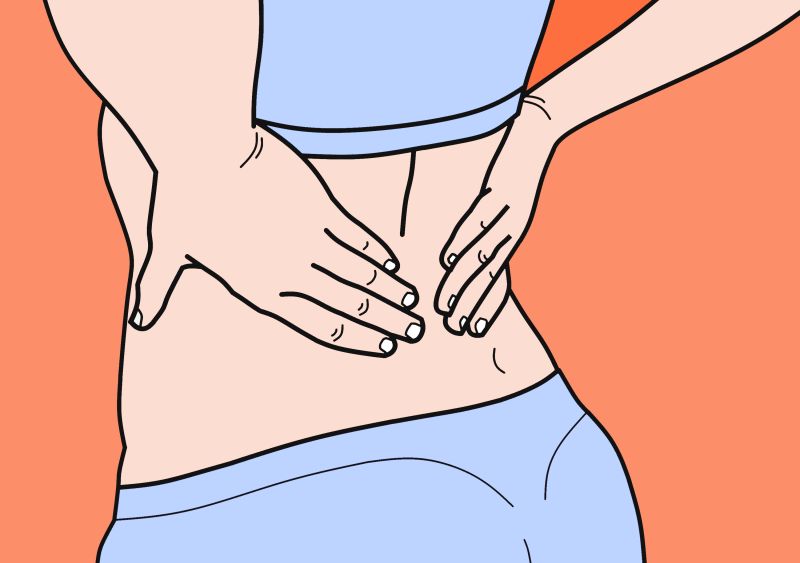
Cold weather causes muscles to contract more frequently to generate heat, which can lead to a noticeable buildup of tension. This seasonal stiffness often settles in the neck, shoulders, and lower back.
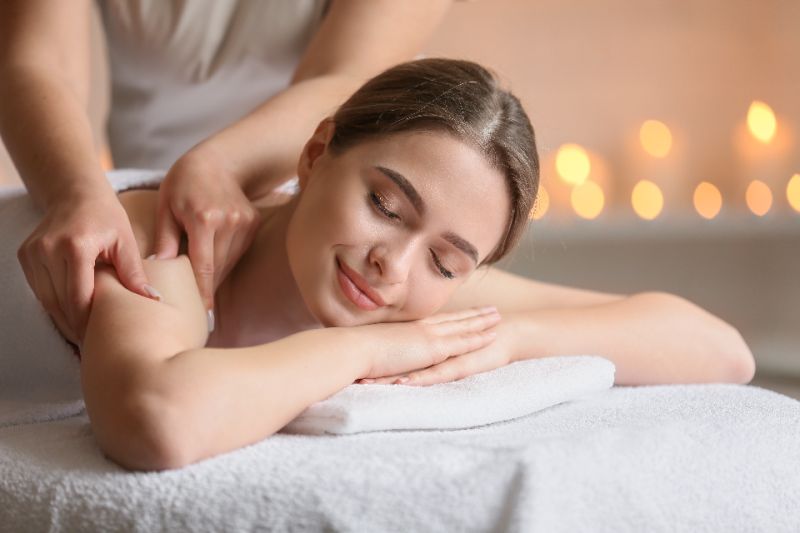
Physical therapists often note that people move less outdoors when winter sets in. Reduced movement combined with cold air can leave joints feeling less flexible. You can read more about this in our guide on why cold weather makes massage so useful. Massage helps by manually working the soft tissues, encouraging a sense of ease in areas that feel tight.
Can massage help with winter relaxation and mood?
Darker winter days and long periods indoors can take a toll on our mood and general sense of wellbeing. Taking time for a structured relaxation session provides a welcome pause in a busy schedule.
Quiet treatment rooms offer a chance to disconnect from winter weather and screen fatigue. Many people find that scheduled quiet time helps lower everyday stress levels and supports better sleep quality during the winter months. If you are visiting our practice near Warren Street, you can find details on the practice: location, opening hours and booking.
How often should you schedule winter wellness sessions?
Most people benefit from scheduling a massage every three to four weeks during the winter season to maintain a sense of physical ease. Consistency helps address muscle tightness before it has a chance to build up significantly.
Between sessions, simple daily habits can support your winter wellness routine:
- Spend 10 to 15 minutes doing gentle stretches each morning.
- Drink plenty of water throughout the day, even when you feel less thirsty.
- Take short walks outside during daylight hours to catch natural light.
- Keep your neck and shoulders warm with a wool scarf when heading out into the London chill.
When should you consult a GP about winter aches?
Most seasonal stiffness responds well to warmth, gentle movement, and rest. However, certain symptoms require professional medical evaluation.
Consult your GP or call NHS 111 if you experience persistent joint swelling, sharp pain that does not improve with rest, or pain accompanied by fever and unexplained fatigue. A doctor can properly investigate persistent symptoms and recommend appropriate care.