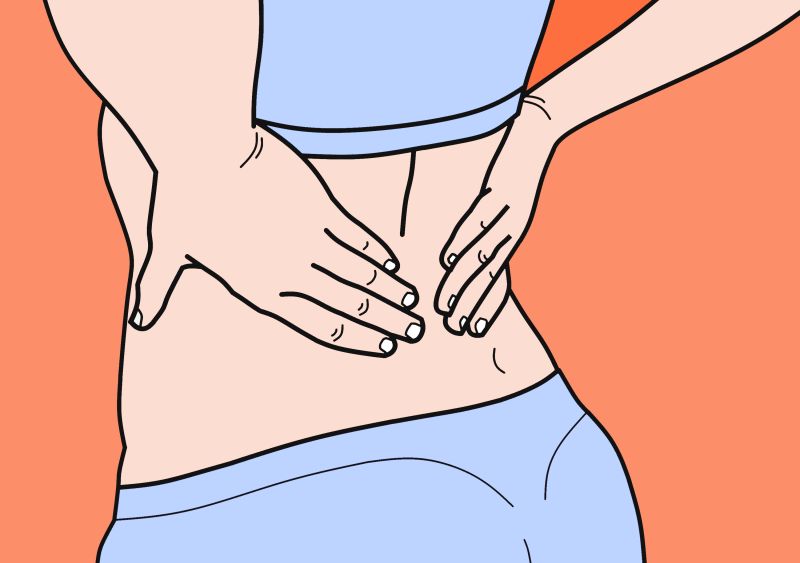
Why does my back hurt in the morning?
Why does my back hurt in the morning? It is a very common question when you wake up feeling stiff and sore. Waking up with a sore back is usually the result of overnight muscle stiffness, an unsupportive mattress, or a sleeping position that places stress on your spine.
Why does my back hurt in the morning?
Morning back stiffness happens because the discs in your spine absorb fluid overnight. This makes them slightly more swollen and your back stiffer in the first hour after waking.
Remaining in one sleeping position for too long can also tire out the postural muscles that support your spine. Movement helps pump fresh blood back into these areas and distributes the fluid evenly through your spinal discs.
Giving yourself ten minutes of gentle movement before rushing into your morning routine can make a noticeable difference to how your back feels.
How can I ease morning back pain safely at home?
You can ease morning back stiffness by doing gentle, low-impact movements in bed before your feet even touch the floor. Try bringing one knee gently towards your chest for twenty seconds, then repeating with the other leg three times.
Another helpful movement is the pelvic tilt, where you lie on your back with knees bent and gently flatten your spine against the mattress. Doing these slow, unforced repetitions helps wake up your abdominal and lower back muscles without strain.
When might professional therapies help?
Many people find that a gentle massage or physical therapy helps release the everyday muscular tension that accumulates from long desk hours or poor sleep posture. While a massage does not cure underlying conditions, it can offer a comforting pause to help your muscles unwind and support your general well-being.
If you find that daytime tension travels into your neck or shoulders from desk work, you might want to read these desk-day neck small resets for quick relief during the working day. For a broader look at how physical touch eases daily strain, my thoughts on massage and everyday back tension share what I have learned over the years.
Could my mattress be causing my back pain?
A mattress that is too soft will allow your hips to sink too low. A mattress that is too firm will put excessive pressure on your shoulders and hips.
Most standard mattresses lose their supportive qualities after about seven to eight years of regular use. If your mattress shows visible sagging or if you wake up feeling more comfortable when sleeping in a hotel, it may be time for a replacement.
A medium-firm mattress often suits a wide range of sleeping styles by keeping the spine in a neutral alignment. If you are looking at sleeping posture, you may also find our guide on the best sleeping position for hip and lower back pain helpful.
When to see a GP or call NHS 111
You should speak to a GP promptly if your back pain is accompanied by numbness or tingling in your legs, weakness in your feet, or problems with bladder or bowel control. You should also seek medical advice if the pain came on after a significant injury, does not improve after a few weeks of gentle self-care, or wakes you consistently during the night in severe distress.
NHS 111 can also provide urgent guidance if you are unsure whether your symptoms require immediate medical attention.